
Do Dogs Need Resolutions Too? How to Help Your Pup Thrive in 2026
Kris Hampton, CTC, CPDT-KA & Leslie Sanchez
Are you the goal-oriented, New Year’s resolution-setting type? Why not bring your dog along for the journey too? The new year is the perfect time to reflect not only on your own goals, but on your pup’s growth as well. Setting simple, realistic training resolutions for your dog can help improve manners, build confidence, and strengthen your bond, without adding pressure for either of you.
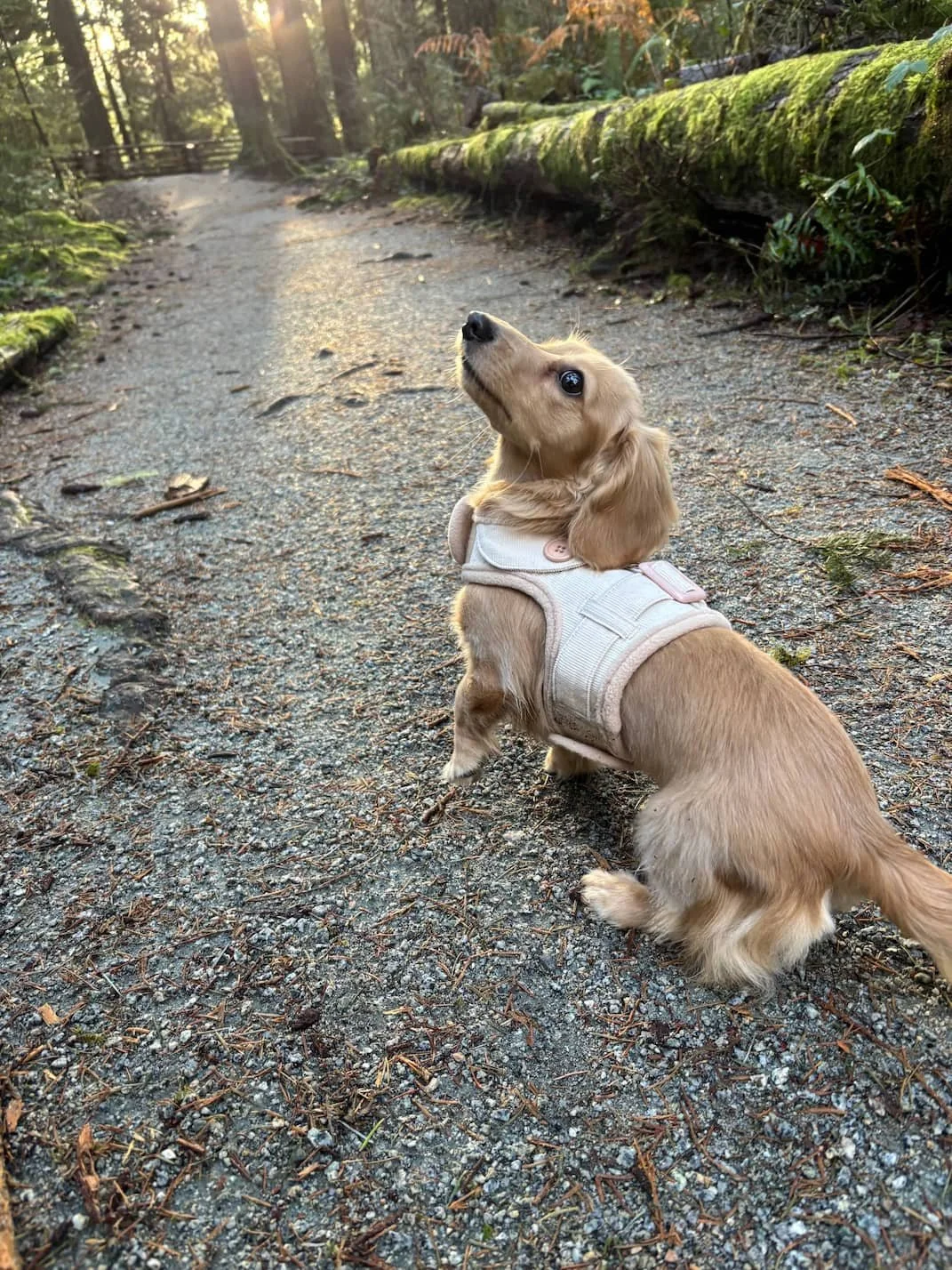
Tip 1: Small Goals, Big Wins
The best resolutions are clear, achievable, and focused on progress rather than perfection. Instead of setting broad goals for your dog like ‘better behaviour’, try narrowing your focus to one or two behaviours, such as calmer greetings, improved leash skills, or learning a new fun trick.
Once you’ve chosen a goal, break your training plan into small milestones using our 3 D’s of dog training: Distance, Duration, and Distraction. Defining and adjusting these factors helps turn big resolutions into manageable steps that set your pup up for success.
Want a deeper breakdown? Certified trainer Kris Hampton explains how to train reliable behaviours on this podcast.
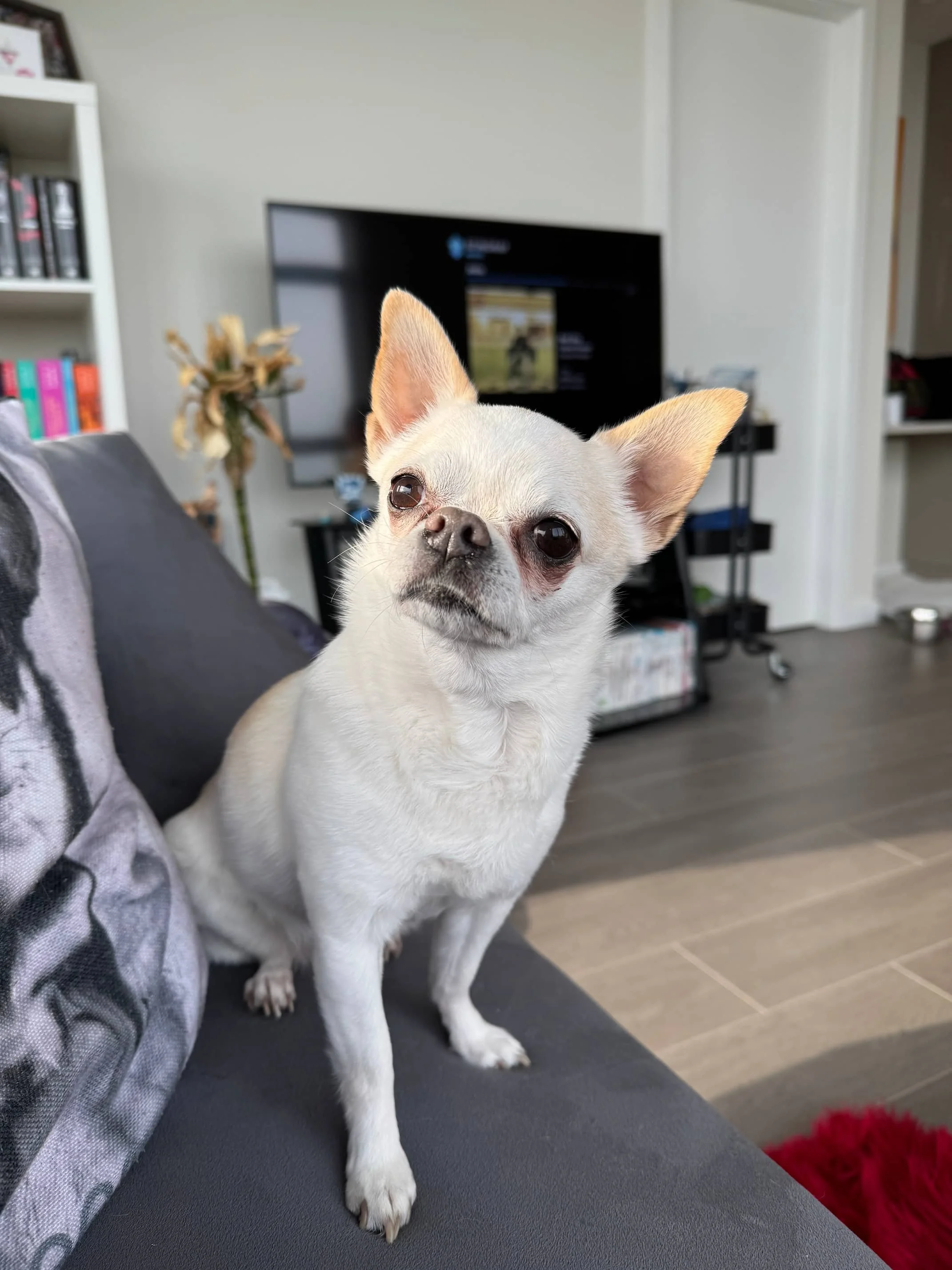
Tip 2: Progress Without Pressure
Sticking to resolutions becomes much easier when you can track your progress. As your pup works towards their goals, use the Push, Drop, Stick method to keep progress measurable and stress-free:
Push: Increase difficulty slightly when your pup is consistently successful
Drop: Scale back if they’re struggling, then reinforce confidence.
Stick: Stay at the same level and repeat until the skill feels solid.
This approach helps maintain momentum while respecting your pup’s learning pace.
Remember: consistency beats perfection. Resolutions aren’t about rushing progress, they’re about creating routines that support trust, confidence, and long-term success. Celebrate small wins along the way.

Extra thought:
Rest Is Part of the Plan
Practice is important, but rest plays a huge role in learning. Giving your pup time to relax between training sessions helps with memory, processing, and overall well-being. A balanced resolution includes both effort and downtime.
Ready to level up your pup’s training? Register for our puppy classes!
