
Not All Barking Is the Same (And Why That Matters)
Kris Hampton, CTC, CPDT-KA & Leslie Sanchez
Barking is one of the many ways our dogs communicate with us. It can stem from excitement, worry, discomfort, or simply a need to be heard. When we pause to understand the “why” behind the noise, we open the door to clearer communication. By learning your pup’s signals, you can respond with guidance and reassurance, supporting their needs instead of unintentionally reinforcing the behaviour.
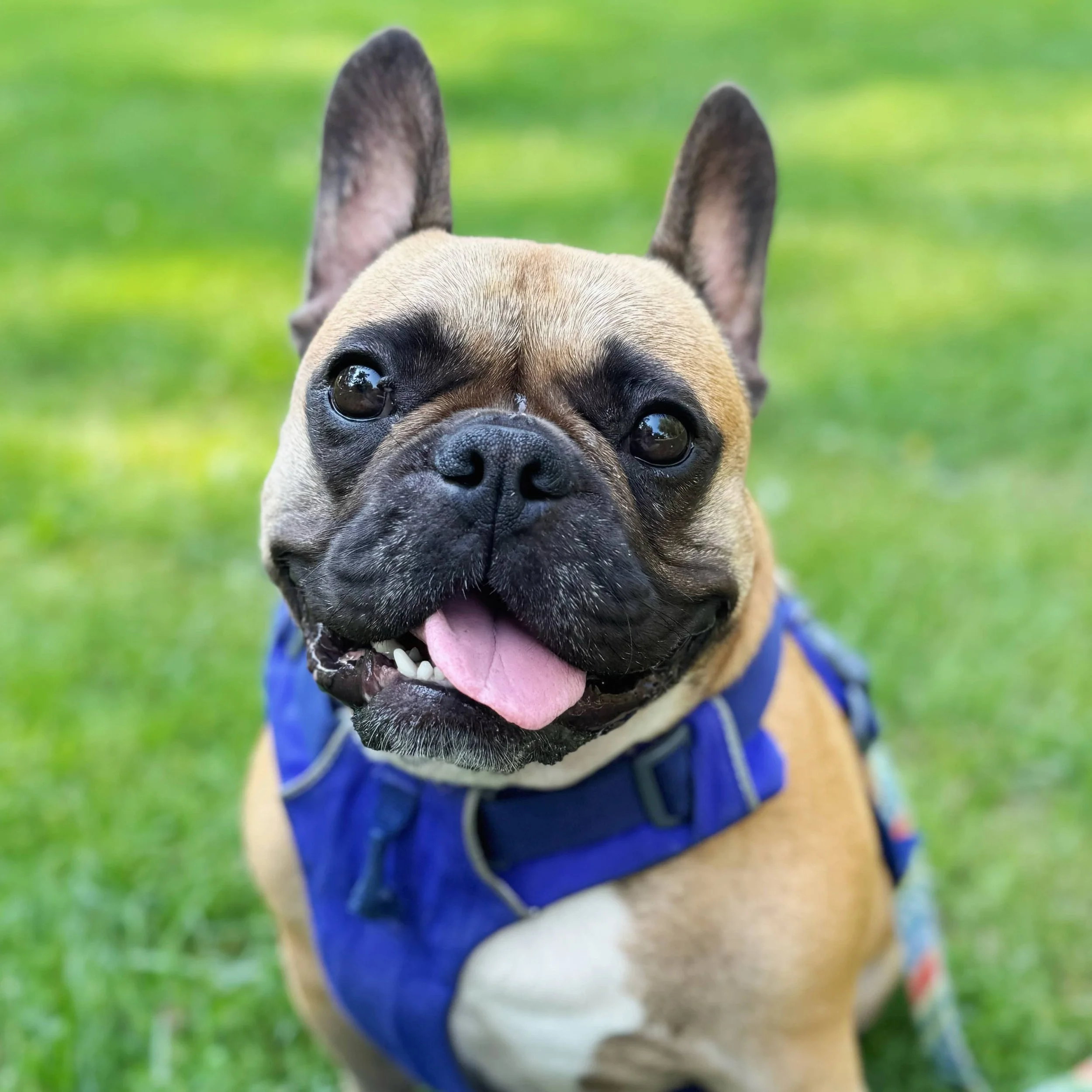
In honour of Eleanor, 2021 - 2025. We remember her with huge fondness.
Tip 1: Identify the Bark
Here are a few common types of barks and when they tend to show up:
Alert Barking (aka “Watchdog Barking”): This bark serves two purposes: alerting their “pack” that something is happening and warning the perceived intruder that they’ve been noticed. Doorbells, knocks, elevator dings, neighbourhood-dog barks, and footsteps near the home are common triggers.
Demand Barking: This is your dog’s way of saying they want something now. Examples include: “Pay attention to me!” “Let me out!” or “Give me that goodie!”. Dogs repeat this barking when it successfully gets a response.
Fearful Barking: This occurs when a dog feels uncomfortable or afraid. Barking is used to create space and communicate “please don’t come closer”. You might see this around unfamiliar people, dogs, or environments.
Boredom Barking: This type of barking often happens when a dog’s physical, mental, or social needs aren’t fully met. It’s common in high-energy or highly social dogs who need more enrichment.
Frustration Barking: This is an emotional response. The dog is usually at a loss or "stuck." In training, they might bark because they don't understand the criteria. On leash, they might bark because they are "socially frustrated"; they desperately want to greet a dog but the leash is physically stopping them.

Tip 2: Manage the Bark
Once you’ve identified the bark type, you can tailor your response:
Alert Barking (aka “Watchdog Barking”): Instead of the cycle of noise → bark, teach your dog a competing behavior. Pair triggers like the doorbell with a specific cue (such as a hand target or "place") that is physically incompatible with barking at the door/window.
How it works: When the noise happens, you cue a "Touch!" or "Place!". By rewarding your dog for running toward you and away from the window, you interrupt the barking reflex. You aren't just stopping the noise; you are reinforcing a new, calmer habit that replaces the old reaction.
Demand Barking: Avoid reinforcing it. If barking results in attention, pets, toys, or doors opening, dogs learn that barking works. Instead, wait for quiet before responding so calm communication is what gets rewarded.
Why it’s tricky: When you stop rewarding a demand bark, the behavior often gets worse before it gets better (this is called an "extinction burst"). Stick it out, and the barking will diminish over time.
Fearful Barking: Listen to this bark - it’s important communication. Unlike bossy barking, this is your dog’s way of saying they feel unsafe. Misdiagnosing fear as "bad manners" or "stubbornness" can lead to using methods that actually increase your dog's anxiety. Work with a certified trainer on gradual exposure, counter-conditioning, and confidence building to help your dog feel safer around triggers.
Why it Works: By addressing the emotional root rather than just suppressing the bark, you create a dog that is truly calm, not just "shut down." Working with a certified trainer ensures you are reading the subtle biological cues that signal whether your dog is actually making progress.
Boredom Barking: Meet your pup’s needs proactively. Enrichment, structured walks, training games, and social outlets can significantly reduce barking that stems from understimulation.
How it works: By meeting your dog’s needs proactively, you provide outlets that satisfy their natural instincts before the frustration builds: channel the energy that fuels the bark.
Frustration Barking: Lower the difficulty of the task or increase distance from the trigger to help your dog find a "win" and stay below their stress threshold.
How it works: This manages arousal levels. By making the "win" easier to achieve, you prevent the nervous system from boiling over.
Every bark has a story. By learning what your pup is trying to say and meeting them with guidance and care, you create a more peaceful and harmonious home for both of you.

Extra Thought:
Barking When Alone
Barking during alone time can stem from isolation distress, separation anxiety, or simply boredom. Prevention and early practice are key to ensuring your dog feels safe when the door closes.
When to Seek Professional Help: It is important to differentiate between a dog who is "annoyed" and a dog who is in distress. If you see signals of separation anxiety such as:
Drooling, Panting and/or pacing that begins the moment you pick up your keys
Destructive behavior specifically focused on exit points (doors, windows, crates)
Self-injury or attempts to escape
contact a certified trainer immediately. Misdiagnosing these signs or attempting a "DIY" fix can lead to flooding, which significantly worsens a dog's emotional trauma.
Need help understanding your dog’s barks? Book a private session today! 🐾
