Kris Hampton, CTC, CPDT-KA & Leslie Sanchez
The weather changes, daylight doesn’t last as long, and suddenly those long walks become a much shorter loop around the block. Your first thought might be: Great. Now I have to somehow tire my dog out indoors.
But a walk isn’t just exercise, and replacing every missed minute with more physical activity isn’t always what your dog needs.
Instead of asking “How do I make up for the shorter walk?”, let’s try asking “What did my dog miss today?”.
Tip 1: A Walk Does More Than Tire Your Dog Out
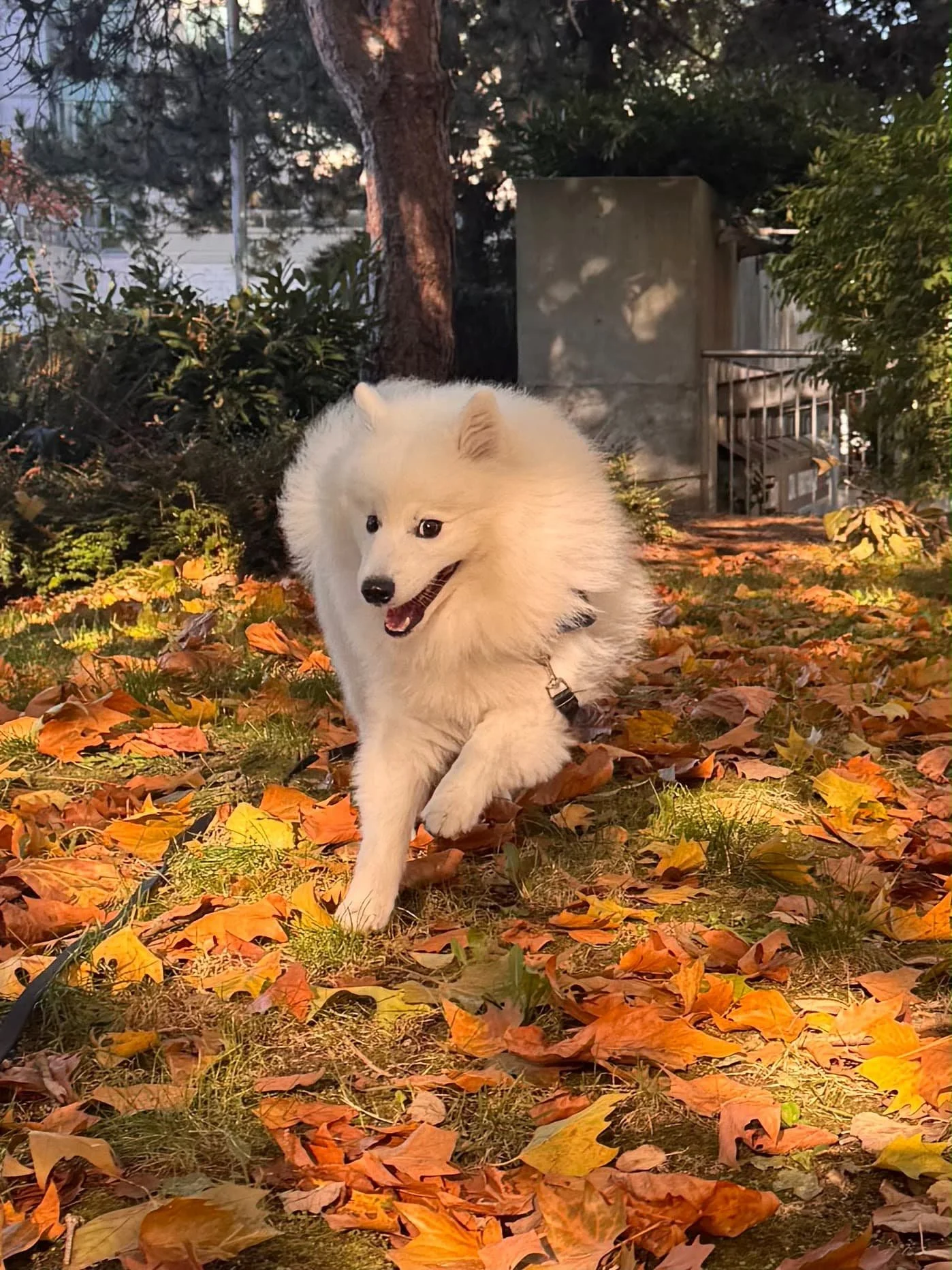
Walks can meet a number of different needs at once. They give your dog the opportunity to move their bodies, investigate smells, make choices, learn about their environment, practice skills, and spend time with you.
A fast paced 30-minute walk with no opportunity to stop and explore may provide plenty of physical movement, while a shorter 15-minute sniffy walk can offer more sensory and mental engagement.
When walks get shorter, it can help to think about your dog’s day in a few different categories:
Movement: Walking, running, climbing, tug, play, and other physical activity.
Exploration: Sniffing, wandering, and experiencing different environments.
Thinking: Training, searching, problem-solving, scent games, or learning something new.
Regulation: Slower activities to help your pup settle, chewing, licking, and uninterrupted rest.
Connection: Training together, playing, exploring, or spending calm time with their people.
Your dog doesn't necessarily need every category in equal amounts every day. The goal is to notice what their day has already included and what they might be missing.
You might not need to “make up” as much as you think.
Tip 2: More Isn’t Always the Answer
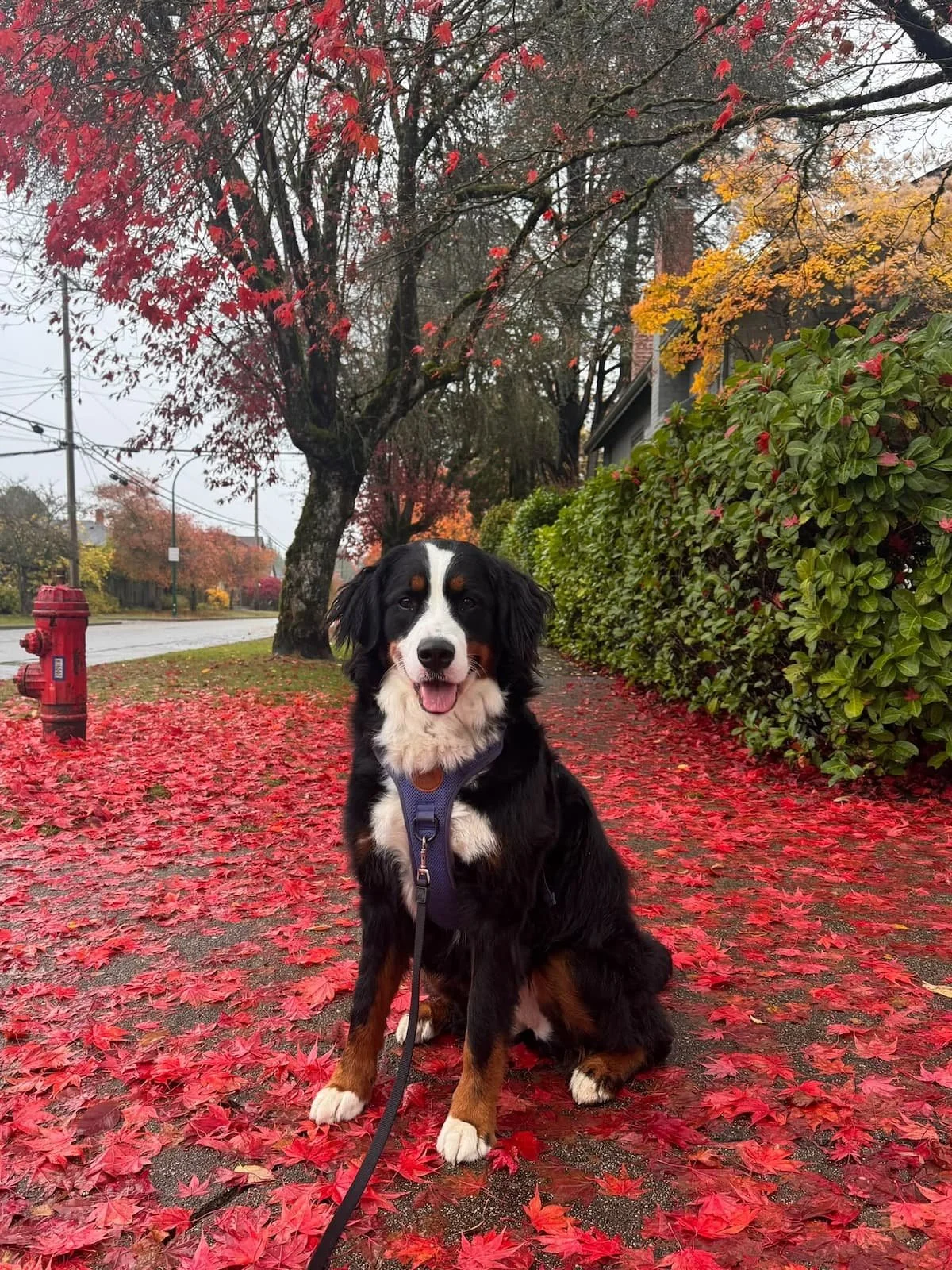
When a dog seems restless after a shorter walk, our instinct is often to add more. More fetch. More tug. More everything.
Sometimes that’s exactly what they need. Other times, it can add to their excitement and leave them more wound up.
Restlessness can come from under-stimulation, but it can also come from overstimulation. From the outside, the two can look very similar.
Instead of automatically trying to tire them out, consider what they might be missing:
Not much physical movement? Add a short play session, tug, flirt pole game, or another way to move their body.
Short walk with little exploring? Try a scent search, scatter feeding, or hide treats around the house.
Busy, exciting day? They may benefit from chewing, licking, or some uninterrupted downtime.
Bored and ready to engage? A short training or problem solving session might be what hits the spot.
Pacing, mouthy, or struggling to switch off after lots of activity? Help them transition into something calmer instead of adding more.
Rather than aiming for a completely tired-out dog, focus on meeting their needs well enough that they can settle.
This Month’s Thought:
Quality Over Quantity
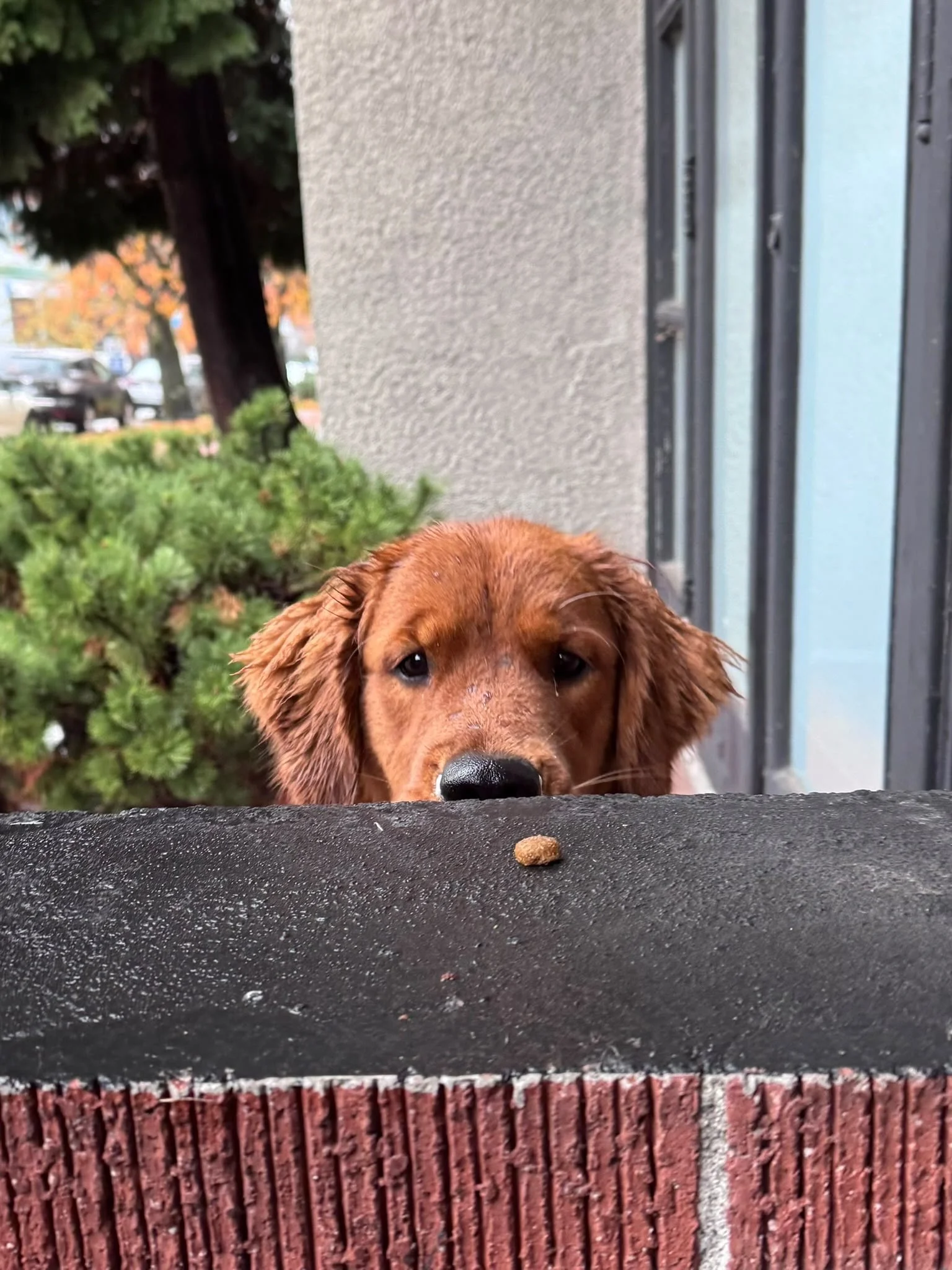
It’s tempting to judge a dog’s day by numbers. Did they get their hour-long walk? Did we hit enough steps?
But minutes don’t tell you much about the quality of their experience. Instead try asking: Did my dog get a chance to move? Sniff? Think? Explore? Rest?
Your routine doesn’t have to look the same everyday to be fulfilling. And if the weather has made your pup’s usual routine a little quieter, remember that downtime can be valuable too.
Our guide to decompression days for dogs has more ideas for helping your pup slow down and reset.
Not sure what your dog needs when their usual routine changes? Our private training sessions can help you build a routine that balances movement, enrichment, training, and rest in a way that works for your pup.
