
Big Feelings, Bigger Zoomies: Your Guide to Dog Teenage Tantrums
Kris Hampton, CTC, CPDT-KA & Leslie Sanchez
Your puppy was doing so well. Then all of a sudden, they’re barking at everything, marking your whole living room, ignoring cues they aced last month, waking up in the middle of the night, and having what can only be described as full-blown temper tantrums.
…Welcome to adolescence.
This challenging stage typically kicks off around 6 months, with peak "teenage" behaviour hitting hard between 8 and 14 months. While large or giant breeds might stretch these boundaries closer to 2 years, most pups begin settling into adulthood by 18 months.
During this window, your dog undergoes massive brain development and a heightened awareness of the world around them. Things that barely registered before can suddenly become intensely fascinating or startling. Neighbourhood noises, shadows, new smells, other dogs, or the scent of a nearby female can instantly hijack their attention, competing directly with your commands.
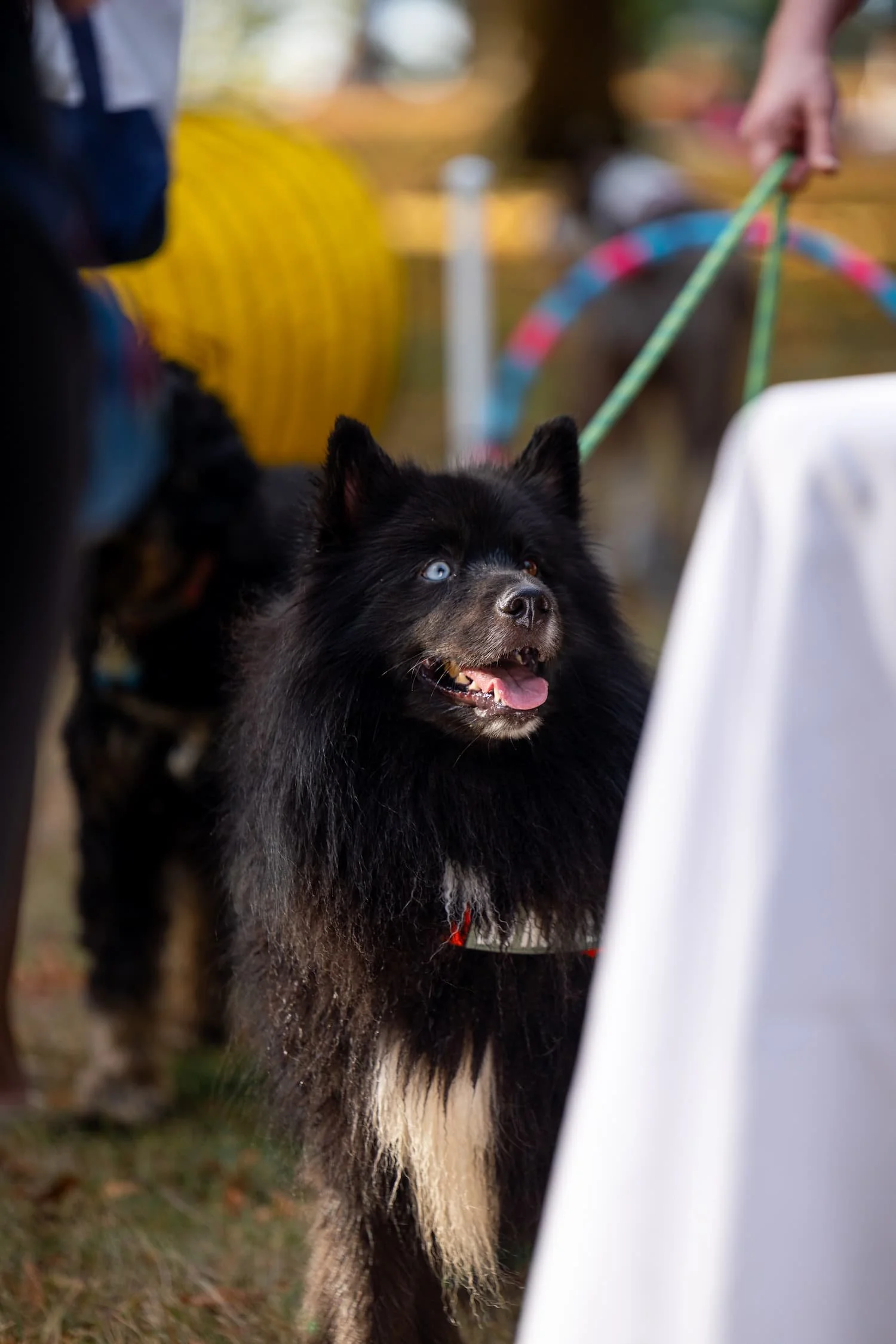
Tip 1: From Angel to Adolescent: What Happened to My Sweet Puppy?
Take a deep breath: your pup hasn’t actually forgotten all their training. Canine adolescence is a whirlwind of massive emotions, newfound independence, and major brain remodeling. When the world outside suddenly feels incredibly exciting, managing frustration becomes a lot harder for them.
As your fluffy friend navigates these changes, you might spot a few new habits popping up:
They're suddenly much more vocal or barky
Familiar cues are suddenly met with "selective hearing"
Frustration triggers bigger, louder reactions
They resort to puppy habits like mouthing, jumping, or literal tantrums
They develop random new fears or environmental sensitivities
Calming down after a fun activity feels nearly impossible
Their usual sleeping patterns get disrupted
It's important to remember your teen dog isn't trying to be stubborn or "bad". They aren't trying to give you a hard time; they're having a hard time, and those big outbursts are just a cry for a little extra guidance while they sort out their big feelings.
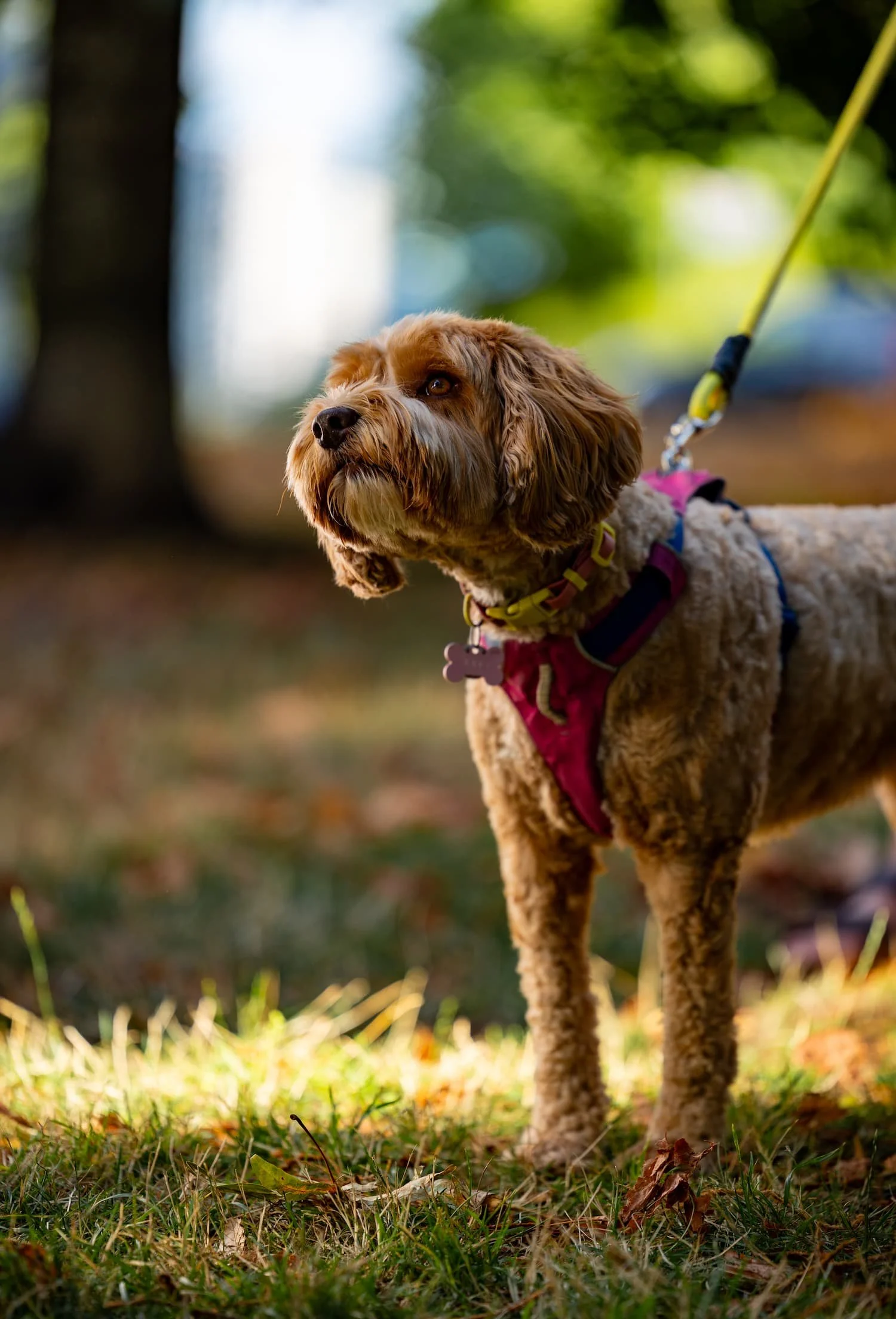
Tip 2: Taming the Tantrums: Ways to Support Your Adolescent Dog
Instead of fighting against your teenager’s new big moods, lean into helping them navigate them. When you guide them through these emotional waves, you help them stay regulated throughout the day; making this crazy stage much more enjoyable for both of you.
You can bring balance and structure back into your lives by focusing on these three pillars:
Tire their brain, not just their body: Physical exercise matters, but so does sniffing, licking, chewing, food puzzles, and uninterrupted rest. Finding the right mix of exercise, mental enrichment, and downtime is the ultimate secret to preventing teenage tantrums. When things get too hectic, a quiet decompression day can give your teen some much-needed time to reset.
Guard their sleep closely: Sleep regression is a classic teenage phase. To help your pup wind down and sleep through the night, create a soothing bedtime ritual. Lowering overnight stimulation by using a white noise machine or blocking out shadows can make a massive difference for a restless adolescent.
Create familiar daily rhythms: You don't need a rigid, minute-by-minute schedule. Instead, focus on predictable patterns that naturally soothe your pup's nervous system. Practice gentle transitions between activities, like turning the last block of your daily walk into a slow, relaxing sniff-session before walking through the front door.
Dog adolescence can feel like a total whirlwind, but your pup is just trying to figure out how to handle all those massive new feelings. Your patience and consistency are exactly what they need to get to the other side!
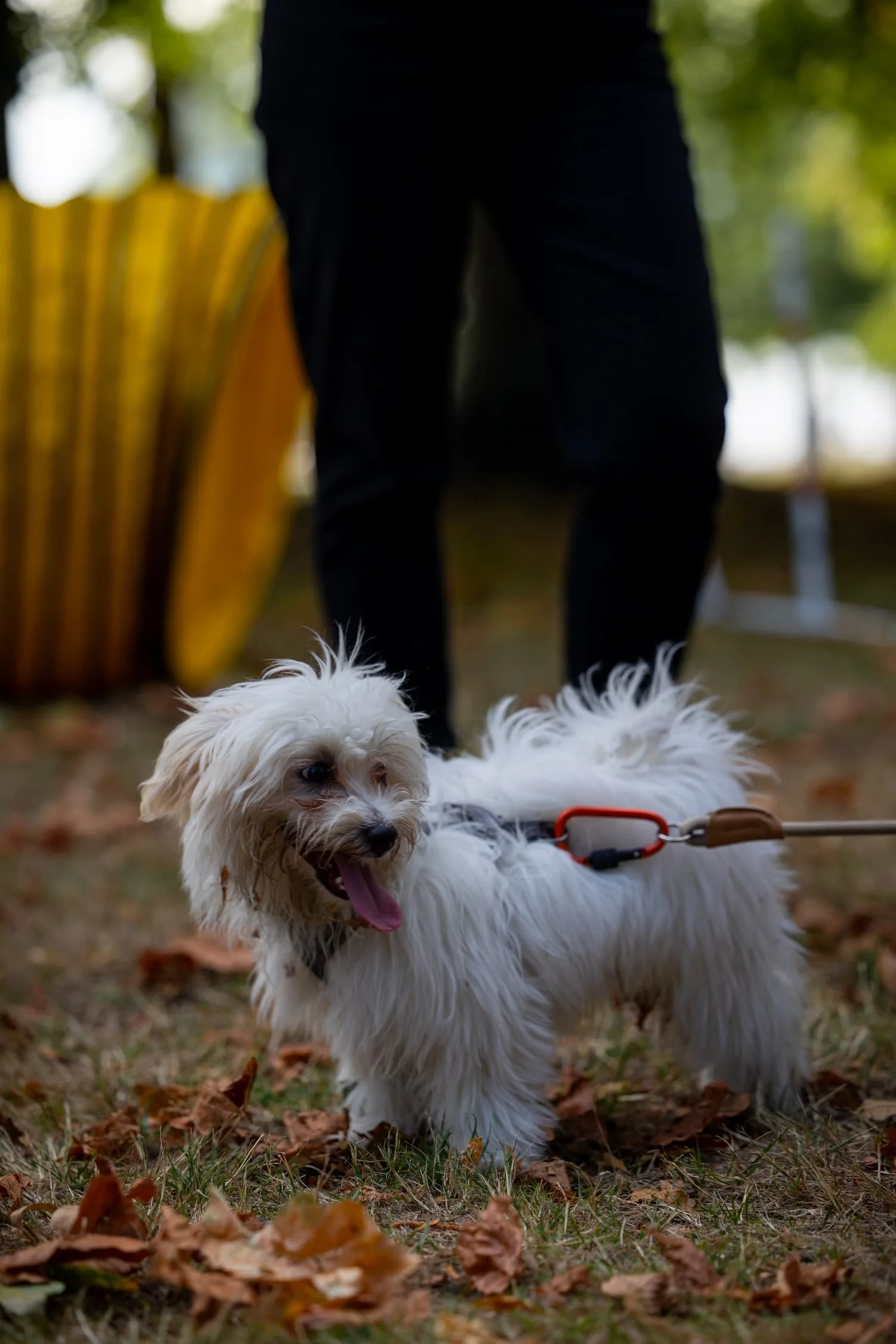
This Month’s Thought:
From Teenager to Grown-Up
As your dog matures into adulthood, their social preferences naturally shift. Between 1 and 3 years old, many dogs reach social maturity, causing them to play less or become far more selective about their playmates. This transition from a gregarious puppy to a discerning adult is a completely normal part of growing up as your dog establishes their own clear preferences and personal boundaries.
Is your teenage pup suddenly testing your patience? Our private dog training sessions are designed to help you confidently navigate the chaos of adolescence and support your pup as they grow.
