
Emergency Recall for Dogs: Building a Reliable Recall for Real-World Safety
Dana Trudeau, Kris Hampton, CTC, CPDT-KA & Leslie Sanchez
No one plans for an emergency, but having a reliable emergency recall can make all the difference when things go sideways. This cue is designed for those ‘drop everything and come back now’ moments. Building it takes consistency, but it can become one of the most important safety tools you and your dog can have.
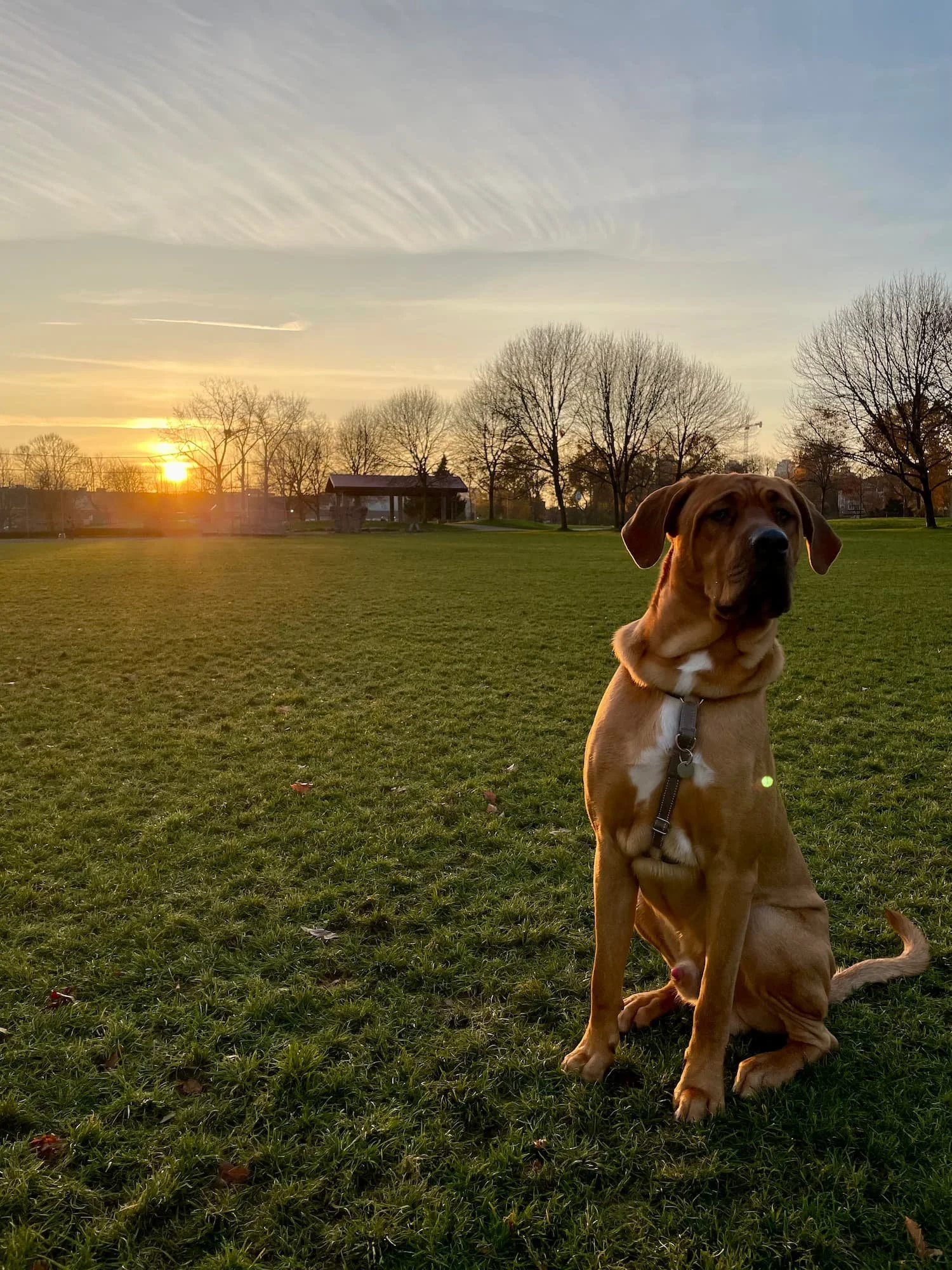
Tip 1: Make It Worth Coming Back
Your emergency recall should feel different from your dog’s everyday cues. The goal is to condition such a strong positive emotional response that hearing this word instantly makes your dog want to race back to you.
The setup matters:
Choose a unique cue: Pick a word you don’t use in everyday life. This cue should stay special, predictable, and exciting for your dog.
Make it valuable: Your dog should learn that this word always predicts something better than anything else happening around them.
Use high-value rewards: Choose something stinky, squishy, and highly desirable, ideally food your dog doesn’t normally have access to.
No samples: Don’t introduce this reward beforehand. The first time your dog tries this high-value treat should be after they respond to the cue successfully for the first time.
Keep it short: Practicing 1 -2 times a day is more than enough. Keeping sessions short helps preserve the novelty of the cue and keeps your dog excited and engaged every time.
When the set up is intentional and consistent, you create a recall your pup actually wants to respond to.
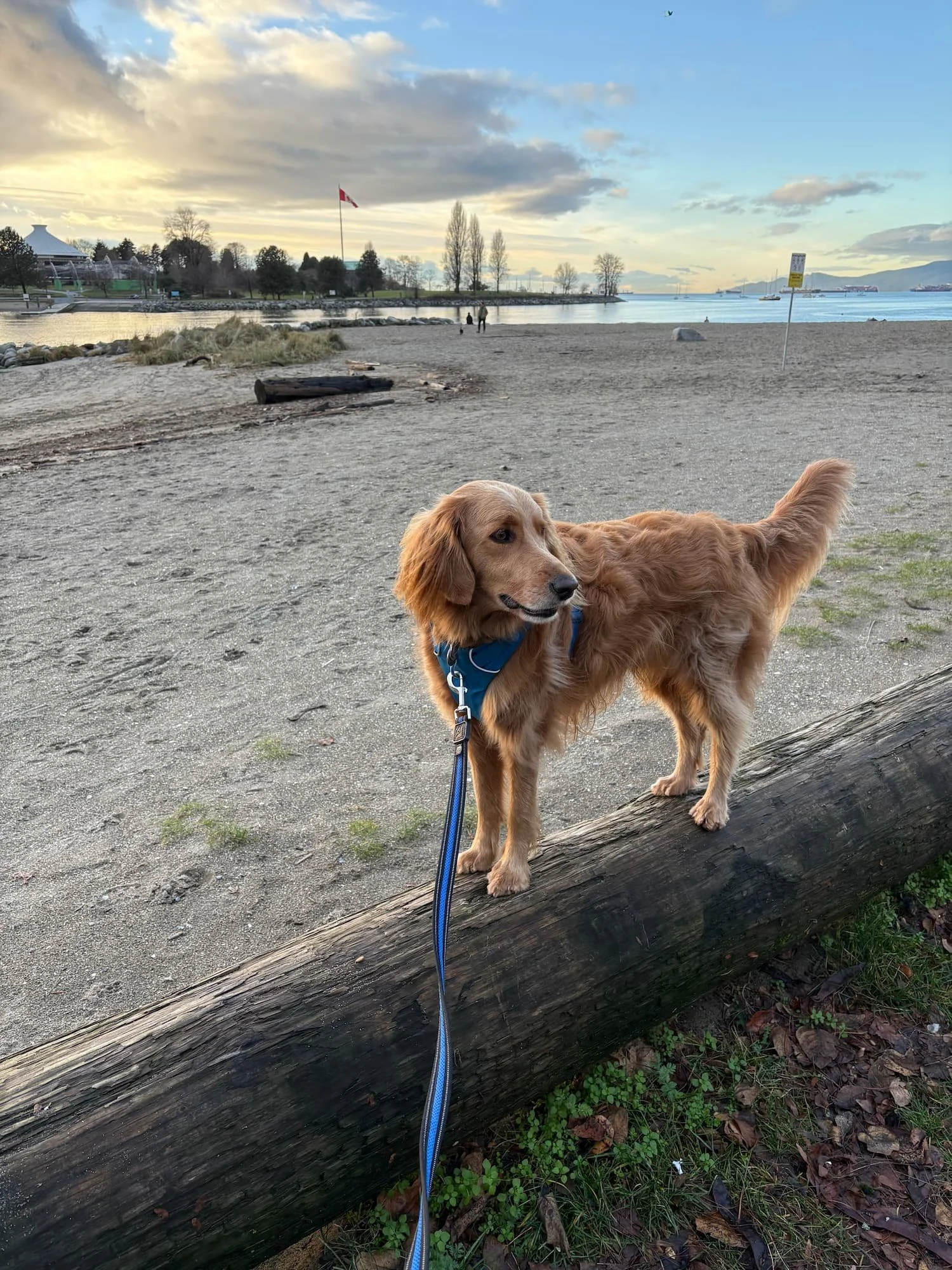
Tip 2: Level It Up
Once your dog understands that this cue is valuable, the next step is learning how to increase difficulty in a way your dog can actually succeed at. This comes down to how and where you practice.
Start inside, no distractions: The best place to begin is at home, where your dog can focus and build reliability without distractions. Work toward a recall that doesn’t need any prompting or ‘happy talk’ before moving it outside.
Build distraction gradually at home: Once your dog is reliable indoors, increase difficulty by adding controlled distractions. For example, ask for a recall away from high-value food they can see but not access. The goal is to practice impulse control without real-world pressure.
Move outdoors and progress slowly: Start in a low-distraction environment like a quiet, familiar park. Let your dog sniff and explore until they’re settled and slightly bored before practicing recall. From there, continue the same gradual progression you used indoors, slowly incorporating new environments and distractions.
Stay committed to the cue: Once you use your emergency recall word, follow through. Avoid repeating it or letting the moment drop, support your dog until they complete the recall.
When you combine strong value with thoughtful progression, you build an emergency recall that holds up in real-life situations.

This Month’s Thought:
Train for Real Life
Your emergency recall environment should reflect your real life. For some dogs, that’s off-leash trails; for others, it’s busy sidewalks or doorways at home. Practice where it actually matters for your dog.
If you’re not ready to fully let go yet, a long line can help bridge the gap, giving your dog freedom while still keeping a safe way to guide them back.
Emergency recall is only as strong as how it’s built. Ready to build one that holds up in real situations?
